Wet vs dry grinding in cabochon machines
Ngày đăng: 1/21/2026 4:28:01 PM - Lĩnh vực khác - Toàn Quốc - 38Chi tiết [Mã tin: 6419897] - Cập nhật: 18 phút trước
Cabochon cutting is a process where subtle curves and surface quality matter just as much as shape and symmetry. One of the most important technical choices a lapidary must make when using a small lapidary cabochon machine is whether to grind wet or dry. While both methods can shape stones effectively, they differ greatly in terms of performance, safety, finish quality, and long-term machine maintenance. Understanding these differences helps cutters choose the right approach for their workflow and materials.
Wet grinding is the traditional and most widely used method in cabochon machines. Water is continuously applied to the grinding wheels, serving multiple functions at once. First, it cools the stone and the abrasive surface, preventing heat buildup that can cause fractures, thermal shock, or color changes in sensitive gemstones such as opal, turquoise, or amber. Second, water acts as a lubricant, allowing smoother contact between the stone and the wheel, which improves control and reduces the chance of chipping along edges and domes. Finally, wet grinding suppresses dust, keeping fine silica and gemstone particles out of the air and significantly improving workshop safety.

Dry grinding, by contrast, relies on air cooling and is sometimes favored for its convenience and visibility. Without water splashing over the wheel, cutters can clearly see the stone’s surface and spot flat areas, scratches, or asymmetry more easily. Dry setups are also simpler to maintain, as they do not require pumps, water reservoirs, or splash guards. In certain stages of rough shaping—especially with harder, heat-resistant materials—dry grinding can be faster and more direct.
However, dry grinding comes with notable drawbacks. Heat buildup is the most significant concern. Excessive heat can weaken the internal structure of a gemstone, leading to micro-fractures that may not be visible until later polishing stages. Dust is another serious issue. Dry grinding produces fine airborne particles that can be hazardous when inhaled, particularly when working with silica-rich stones such as quartz, agate, or jasper. Proper ventilation and high-quality respiratory protection are essential, which adds complexity and cost to an otherwise simple setup.
From a finish-quality perspective, wet grinding generally offers more consistent results. The cooling and lubricating effect of water helps abrasives cut evenly, reducing deep scratches that are difficult to remove later. This makes wet grinding especially suitable for pre-polish and fine shaping stages, where surface quality directly affects final polish. Dry grinding, while effective for rapid material removal, often requires extra refinement afterward to correct heat-related damage or uneven abrasion.
In practice, many experienced lapidaries adopt a hybrid approach. Dry grinding may be used briefly for initial shaping or outlining, followed by wet grinding for dome refinement and finishing. This combination balances speed, control, and safety.
Ultimately, the choice between wet and dry grinding in cabochon machines depends on the material, the stage of cutting, and the cutter’s priorities. While dry grinding offers simplicity and visibility, wet grinding remains the preferred method for achieving high-quality, safe, and repeatable results in modern cabochon work.
Tin liên quan cùng chuyên mục Lĩnh vực khác
 2
2Bán nhà mặt phố doãn kế thiện 25 m 3 tầng 7,9 tỷ
Cập nhật: vài giây trước- 2
Cho nam ở ghép phòng sạch sẽ thoáng mát
Cập nhật: 25 phút trước - 2
Mình chính chủ gửi bán đất long thành tỉnh đồng nai
Cập nhật: 25 phút trước - 2
Bàn nguội cơ khí, bàn thao tác sửa chữa cơ khí
Cập nhật: 35 phút trước - 2
Thiết bị sửa chữa ô tô xe máy bàn nâng ,máy tháo vỏ
Cập nhật: 6 phút trước - 2
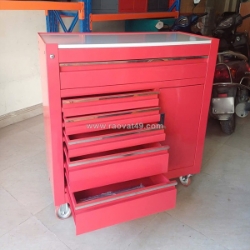
Xe đẩy 3 ngăn – bảng treo - tủ đồ nghề
Cập nhật: 6 phút trước - 1
Nhà hàng bò tạ hiện – nam từ liêm hà nội tuyển nv fulltime bao ăn ở
Cập nhật: 38 phút trước - 0
Powerx pro male enhancement reviews 2026 updated results
Cập nhật: 43 phút trước - 2
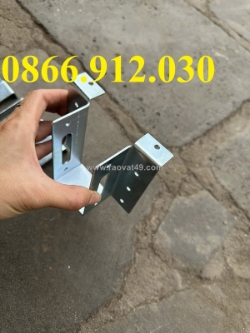
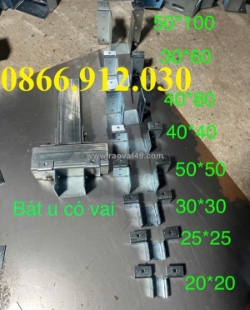
Thi công nhanh gấp đôi nhờ bát u có vai
Cập nhật: 51 phút trước - 2
Thi công nhanh gấp đôi nhờ bát u có vai
Cập nhật: 51 phút trước - 1
Thi công nhanh gấp đôi nhờ bát u có vai
Cập nhật: 51 phút trước - 2
Thi công nhanh gấp đôi nhờ bát u có vai
Cập nhật: 51 phút trước - 2
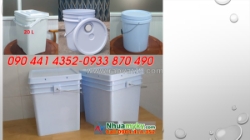
Sx xô nhựa lít nắp rót đựng dầu nhớt, thùng sơn nhựa 12 lít, vỏ thùng đựng sơn 10 lít màu đen
Cập nhật: 17 phút trước - 2
Bán thùng phuy sắt đựng dung môi, vỏ thùng phuy sắt đựng nhiên liệu
Cập nhật: 19 phút trước - 2
Thùng phuy 4 đai làm bè cá, thùng phuy nhựa 100 lít đựng gia vị làm bánh kẹo
Cập nhật: 25 phút trước - 0
Saigon solar – công ty năng lượng mặt trời chuyên nghiệp tại việt nam
Cập nhật: 26 phút trước - 0
Invigorise male enhancement reviews news alert 2026
Cập nhật: 28 phút trước - 2
Hủ nhựa 1 ký đựng chất dinh dưỡng động vật, hủ nhựa 2 ký đựng sơn nội thất
Cập nhật: 28 phút trước - 2
Vỏ chai nhựa 250ml, chai 100ml màu trong, chai nhựa 50ml trắng c
Cập nhật: 31 phút trước - 2
Sx can 5 lít đựng dầu dừa, can nhựa 2 lít đựng tinh dầu bưởi, can 1 lít đựng dầu ăn
Cập nhật: 39 phút trước - 1
Ngàn thông - đồng hành cùng bạn tổ chức chương trình trung thu đầy sáng tạo
Cập nhật: 41 phút trước - 2
Can nhựa 20 lít hdpe có tốt không? cần tìm can nhựa 20 lít đựng hóa chất dày hơn nhựa pet
Cập nhật: 49 phút trước - 1
Đơn vị uy tín chuyên dịch vụ tổ chức trung thu cho các cháu tối ưu ngân sách
Cập nhật: 37 phút trước - 1
Tổ chức sự kiện ngàn thông – chuyên tư vấn tổ chức trung thu cho công ty chuyên nghiệp
Cập nhật: 48 phút trước - 2
Khi nào mua điều hòa casper 9000 inverter 1 chiều rẻ nhất? 90% người mua đang chọn sai thời điểm
Cập nhật: 12 phút trước - 2
[ko cần kn] thợ hồ, thợ phụ, lđpt cần thơ
Cập nhật: 25 phút trước - 0
Bàn chân phẳng tướng số - phòng khám cơ xương khớp usac chiropractic
Cập nhật: 25 phút trước - 0
Bàn chân bẹt ở trẻ 3 tuổi - phòng khám cơ xương khớp usac chiropractic
Cập nhật: 33 phút trước - 2
Mp filtri mf4003a03 - đại lý lọc mp filtri - giá tốt
Cập nhật: 37 phút trước - 1
Bamboo airways ưu đãi chào hè 2026
Cập nhật: 41 phút trước - 1
Bamboo airways ưu đãi chào hè 2026
Cập nhật: 41 phút trước - 0
Bàn chân bẹt mềm - phòng khám cơ xương khớp usac chiropractic
Cập nhật: 42 phút trước - 0
Bàn chân bẹt hình ảnh - phòng khám cơ xương khớp usac chiropractic
Cập nhật: 54 phút trước - 0
Bàn chân bẹt có di truyền không - phòng khám cơ xương khớp usac chiropractic
Cập nhật: 4 phút trước - 0
Triệu chứng bàn chân bẹt ở trẻ - phòng khám cơ xương khớp usac chiropractic
Cập nhật: 12 phút trước - 1
Ánh viên giải nghệ vẫn “gây sốt”: 4 hcv & nhan sắc ngày càng rạng rỡ
Cập nhật: 23 phút trước - 1
Bliss harmony 300mg cbd review 2026
Cập nhật: 24 phút trước - 0
Bí quyết nâng mũi giữ được bao lâu hiệu quả và an toàn
Cập nhật: 31 phút trước - 1
Nexfit diet capsules review 2026 – metabolic support united kingdom & ireland
Cập nhật: 33 phút trước - 0
Nâng mũi đẹp an toàn với phương pháp y khoa hiện đại hiệu quả
Cập nhật: 40 phút trước - 1
Drama faker – ruler: fan gumayusi bất ngờ “chạnh lòng”
Cập nhật: 42 phút trước - 0
Warum immer mehr menschen nach leistungsstarken handy- und gps-störsendern suchen – ein blick hinter den trend
Cập nhật: 54 phút trước - 5
Guitar tấn phát
Cập nhật: vài giây trước - 2
Bán guitar thùng mỏng tiếng ấm vang giá siêu rẻ tại hóc môn hcm - guitar tấn phát
Cập nhật: vài giây trước - 2
Bán trống lục lạc gõ bo inox giá rẻ tại huyện hóc môn hồ chí minh
Cập nhật: vài giây trước - 4
Guitar tấn phát
Cập nhật: vài giây trước - 0
7z777 adventure gameplay with exciting game opportunities
Cập nhật: 20 phút trước - 0
Hướng dẫn xử lý nhanh khi zalo yêu cầu xác thực tài khoản bị vô hiệu hóa (cập nhật 2026)
Cập nhật: 23 phút trước - 1
Máy giặt electrolux bị lỗi end - nguyên nhân và giải pháp khắc phục
Cập nhật: 31 phút trước - 0
Hướng dẫn phân quyền tài khoản zalo khi làm việc nhóm
Cập nhật: 32 phút trước






![[ko cần kn] thợ hồ, thợ phụ, lđpt cần thơ](/Img/2026/4/ko-can-kn-tho-ho-tho-phu-ldpt-can-tho-01.png?w=250)