How jewelry dust collectors support sustainable practices?

Ngày đăng: 2/4/2026 3:34:33 PM - Lĩnh vực khác - Toàn Quốc - 4
Chi tiết [Mã tin: 6427990] - Cập nhật: 35 phút trước

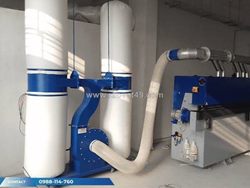
In modern jewelry workshops, sustainability is no longer a vague ideal but a practical goal shaped by everyday equipment choices. Among these, jewelry dust collectors play a surprisingly important role. Often viewed only as safety devices, dust collectors actually support sustainable practices in multiple ways—by protecting materials, improving energy efficiency, and reducing environmental impact throughout the production process.

One of the most direct contributions of dust collectors to sustainability is material conservation. Jewelry making frequently involves precious metals such as gold, silver, and platinum, as well as gemstones and specialty alloys. During filing, polishing, grinding, and sanding, fine metal particles are released into the air. Without effective dust collection, these particles are lost forever. High-quality dust collectors capture this valuable material, allowing workshops to reclaim and recycle metal dust. Over time, even small quantities add up, reducing the need for new raw materials and lowering the environmental footprint associated with mining and refining.

550W Jewelry Polishing Buffing Machine Jewellery Buffer Machine with Dust Collector

Dust collectors also help create a healthier working environment, which is an often-overlooked aspect of sustainability. Fine metal dust, polishing compounds, and abrasive particles can be harmful when inhaled over long periods. By removing these contaminants from the air, dust collectors protect the health of jewelers and technicians. A healthier workforce means fewer work-related illnesses, less downtime, and a more sustainable business model that values long-term well-being over short-term productivity.

Energy efficiency is another area where modern dust collectors support greener practices. Newer systems are designed to optimize airflow and filtration, capturing dust effectively without excessive power consumption. Variable-speed motors and smart filtration systems adjust performance based on actual demand, reducing wasted energy. Compared to older, constantly running units, these innovations help workshops lower electricity usage and reduce their overall carbon footprint.

Proper dust collection also prevents contamination and waste during production. When dust settles on work surfaces, tools, or unfinished jewelry, it can cause defects that require rework or even scrapping of pieces. Each rejected item represents wasted energy, materials, and time. By keeping the workspace clean and controlled, dust collectors help jewelers produce higher-quality results on the first attempt, aligning craftsmanship with sustainability.

Finally, dust collectors support responsible waste management. Instead of releasing fine particles into the environment or mixing them with general waste, collected dust can be sorted, recycled, or disposed of in accordance with environmental regulations. This controlled handling of byproducts reduces pollution and demonstrates a commitment to responsible manufacturing.

In conclusion, jewelry dust collectors are far more than simple workshop accessories. They help conserve precious materials, protect human health, improve energy efficiency, and reduce waste. By integrating effective dust collection systems into daily operations, jewelry workshops take a meaningful step toward more sustainable, ethical, and future-focused practices.


Related articles: https://carl259.pixnet.net/blog/posts/859369241745509484

Tin liên quan cùng chuyên mục Lĩnh vực khác