Reducing precious metal loss with a jewelry bench dust collector

Ngày đăng: 6/18/2026 4:11:53 PM - Lĩnh vực khác - Toàn Quốc - 3
Chi tiết [Mã tin: 6499997] - Cập nhật: 38 phút trước

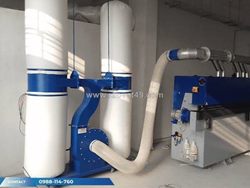
In jewelry manufacturing and repair workshops, precious metal loss is often overlooked because it happens gradually. Tiny particles of gold, silver, platinum, and other valuable alloys are released during filing, grinding, polishing, and sanding operations. While each particle may seem insignificant, the accumulated value over months or years can represent a substantial financial loss. A jewelry bench dust collector plays a critical role in capturing these particles before they disappear into the workshop environment.

Every polishing wheel and abrasive tool generates airborne dust. Without proper collection, these particles settle on floors, workbenches, clothing, ventilation systems, and other surfaces. Recovering metal from these locations is difficult, time-consuming, and often incomplete. A dedicated dust collection system creates controlled airflow that pulls dust directly from the source, preventing valuable material from scattering throughout the workspace.

One of the primary advantages of a jewelry bench dust collector is improved recovery efficiency. Modern systems use multiple filtration stages to separate dust particles of varying sizes. Larger metal fragments are collected in removable trays or containers, while finer particles are trapped by specialized filters. These collected materials can later be refined, allowing jewelers to reclaim a significant portion of precious metals that would otherwise be lost permanently.

The financial benefits become particularly noticeable in workshops that regularly process gold and platinum. Even a small reduction in daily material waste can translate into considerable annual savings. For businesses working with high-value alloys, the dust collector often pays for itself through recovered metal alone. Instead of viewing dust as waste, many professional jewelers regard collected polishing residue as an additional source of recoverable inventory.

550W Jewelry Polishing Buffing Machine Jewellery Buffer Machine with Dust Collector

Beyond metal recovery, dust collectors contribute to a cleaner and more organized work environment. Fine polishing dust can quickly accumulate on equipment, tools, and display surfaces. Excessive dust buildup not only creates additional cleaning requirements but may also affect the performance of sensitive machinery. By continuously removing airborne particles, dust collectors help maintain workshop efficiency and reduce maintenance needs.

Worker comfort is another important factor. Jewelry polishing dust may contain metal particles, abrasive compounds, and other materials that can become airborne during production. Effective extraction systems reduce dust exposure, improving air quality around the workstation and creating a more comfortable environment for daily operations.

To maximize recovery rates, jewelers should position the dust collector intake as close as possible to the work area. Regular cleaning of filters and collection trays is equally important. Neglected filters can restrict airflow, reducing the system's ability to capture valuable particles. Establishing a routine maintenance schedule ensures consistent performance and optimal metal recovery.

As precious metal prices continue to fluctuate, efficient material management becomes increasingly important. A jewelry bench dust collector is more than a cleanliness accessory; it is a practical investment that protects valuable resources, supports workplace efficiency, and helps transform everyday polishing residue into recoverable profit. For modern jewelry workshops, reducing precious metal loss begins with capturing the dust before it has a chance to escape.


https://www.jewelerstoolsmall.com/goods-11.html

Tin liên quan cùng chuyên mục Lĩnh vực khác